
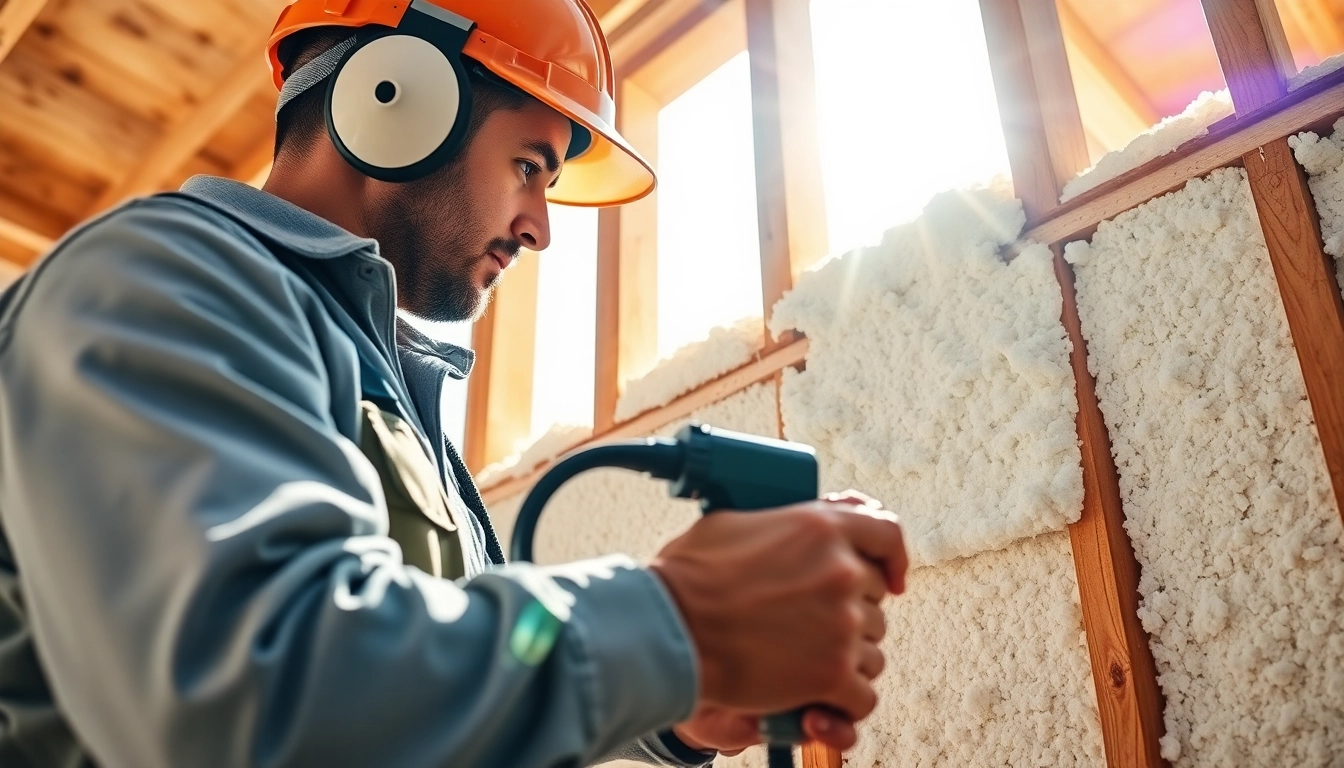
Understanding Spray Foam and Its Removal
What is Spray Foam Insulation?
Spray foam insulation is a popular choice for both residential and commercial properties, known for its energy efficiency and effectiveness in controlling airflow. This insulation material is created by mixing two components—a resin and a hardener—typically delivered through a spray applicator. Once applied, it expands rapidly, filling gaps and voids, thus creating an airtight seal. This unique property not only improves energy efficiency by minimizing air leakage but also provides soundproofing and stability to structures.
Reasons for Removal
While spray foam insulation offers numerous benefits, there are valid reasons for its removal. Over time, materials can degrade, leading to potential health hazards such as toxic off-gassing. Poor installation may result in moisture problems, mold growth, and structural issues due to trapped water. Additionally, homeowners may wish to replace spray foam with more updated insulation technologies or during renovations. If not properly maintained, such insulation can pose a threat rather than a safeguard, necessitating expert intervention for safe removal.
The Risks of DIY Removal
Attempting to remove spray foam insulation on your own can be risky. The materials and chemicals involved in spray foam can be hazardous, and improper handling can lead to injuries or exposure to toxic substances. Additionally, without the right tools and techniques, DIY removal can damage walls or ceilings, leading to increased costs for homeowners. Engaging professionals ensures the process is conducted safely, with all necessary precautions taken, which significantly reduces the potential for risk and injury.
Finding Qualified Spray Foam Removal Contractors
Key Qualifications to Look For
When searching for spray foam removal contractors, it’s essential to identify a team with the right qualifications. Look for contractors who are licensed, insured, and trained in handling hazardous materials. Certifications from recognized industry bodies can also serve as indicators of a contractor’s commitment to safety and quality standards. A professional will also have a robust knowledge of the various spray foam insulation types and the best methods for their removal.
Assessing Reviews and References
Reviews and references provide insight into a contractor’s reputation and reliability. Before hiring, it’s beneficial to read customer testimonials on platforms and websites that focus on home improvement services. Look for trends in feedback, particularly concerning project completion time, overall satisfaction, and the team’s professionalism. Speaking directly to past clients about their experiences can also yield valuable information. This due diligence can help ensure the selected contractor is trustworthy and competent.
Questions to Ask during Consultations
During initial consultations, it’s crucial to ask the right questions to gauge a contractor’s expertise and viability for your project. Inquire about their experience with similar projects and what methods they employ for safe removal. Understanding their timeline, pricing structure, and post-removal services can also aid in decision-making. Additionally, ask about the safety measures they implement to protect you, your home, and their team during the removal process. A reliable contractor will be transparent and thorough in their responses.
Removal Techniques and Best Practices
Advanced Tools Used by Professionals
Professionals utilize a range of advanced tools for spray foam removal that ensure efficiency and safety. High-powered demolition tools, specialized cutting equipment, and vacuums designed for hazardous materials are commonly employed. These tools not only expedite the removal process but also help minimize dust and chemical exposure during the project. Understanding the equipment and methods used can give homeowners confidence in the safety and efficacy of the removal process.
Step-by-Step Removal Process
Effective spray foam removal follows a systematic process that begins with a thorough assessment of the area. Contractors will usually start by preparing surrounding areas to prevent damage and contamination. They then utilize cutting tools to slice through the foam, followed by vacuuming systems to collect debris. Proper protective gear is worn throughout the process to ensure safety for both technicians and homeowners. Finally, a post-removal inspection is conducted to confirm complete removal and check for any needed repairs before closing the project. This methodical approach guarantees professionalism and thoroughness.
Post-Removal Cleaning and Safety Measures
Once the spray foam has been removed, it’s vital to conduct extensive cleaning to ensure that no residue remains. This includes thorough vacuuming of the area and possibly air quality testing to confirm the space is safe for occupancy. Contractors will also inform homeowners about recommended safety measures during this period, including the use of air purifiers or ventilating the space. Maintaining these precautions helps create a healthy environment post-removal, addressing any concerns about residual substances or airborne particles.
Cost Considerations for Spray Foam Removal
Factors Influencing Costs
The cost of spray foam removal can vary significantly based on numerous factors. The size of the area, the complexity of the installation, and the type of materials used all contribute to overall costs. More intricate jobs that involve multiple layers of foam or those in hard-to-reach areas may require more time and specialized tools, thus increasing labor costs. Additional factors like geographical location and contractor experience can further influence pricing, making clear communication crucial for accurate estimates.
Budgeting for Removal Services
Budgeting for spray foam removal involves understanding potential costs and setting aside a contingency fund for unexpected expenses. Homeowners should gather multiple quotes from different professionals and consider what is included in each estimate—such as safety measures, disposal fees, and post-removal cleanup. It’s also wise to save funds for any necessary repairs or alternative insulation that may be required post-removal, thereby ensuring a comprehensive financial plan.
Hidden Costs to Be Aware Of
Often, hidden costs can arise during spray foam removal projects. Homeowners may face additional charges for remediation of underlying issues revealed during removal, such as water damage or mold growth. Disposal fees for hazardous materials and unexpected repair costs can also inflate the budget. Therefore, it’s critical to have a detailed contract with your contractor that outlines these potential extras, ensuring surprise expenses are minimized and transparent throughout the project.
FAQs About Spray Foam Removal Contractors
How long does spray foam removal take?
The duration of spray foam removal can vary based on the project’s size and complexity but generally ranges from a few hours to a couple of days. A thorough assessment by professionals will provide a more accurate timeframe.
Are spray foam removal services expensive?
Costs can vary widely depending on area size, installation complexity, and contractor rates. While it may seem costly initially, professional removal can prevent further expenses related to health and property damage.
What precautions do contractors take?
Contractors adhere to strict safety protocols, including using protective gear, setting up barriers in the work area, and employing specialized equipment designed to handle hazardous materials safely.
Can I stay in my home during removal?
It is often recommended to evacuate the home during removal due to potential exposure to harmful chemicals and dust, ensuring safety for occupants throughout the process.
What should I do after removal?
Post-removal, it’s essential to ensure thorough cleaning and air quality assessment. Homeowners might also need to consider replacing insulation or making repairs to the affected area.