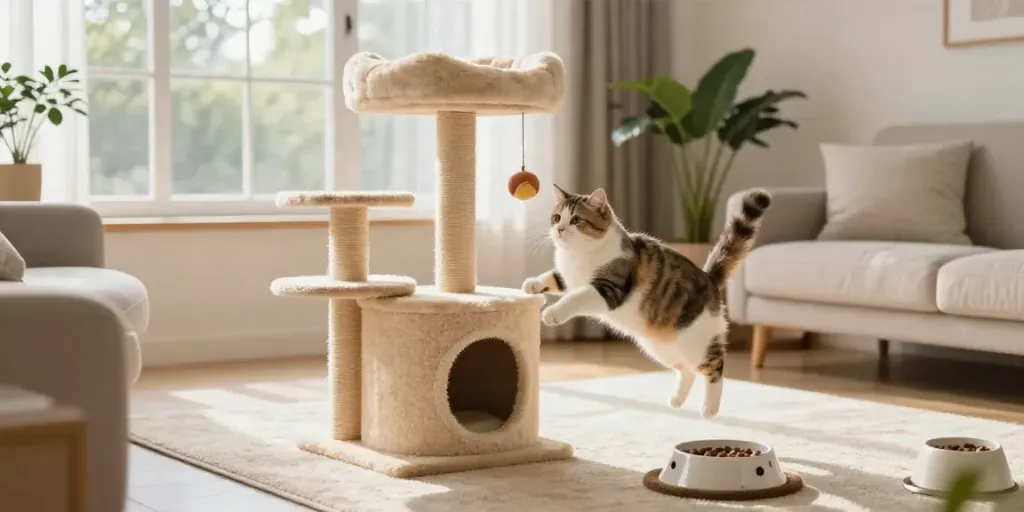
The Evolution of Cat Towers: Trends Shaping 2026
As pet owners become increasingly invested in the well-being of their furry companions, the evolution of pet furniture, particularly the cat tower, has witnessed remarkable trends that focus on functionality, aesthetics, and sustainability. Modern cat towers are not just about providing a play area; they serve as multi-functional units that align with contemporary home designs while catering to the natural instincts of cats. Let’s explore the key trends that are expected to dominate the market in 2026.
Innovative Designs for Enhanced Activity
The latest designs in cat towers emphasize dynamic structures that encourage cats to climb, jump, and explore. These units often feature multiple levels, ramps, and integrated scratching posts, enabling cats to engage in their natural behaviors. For instance, certain cat towers now include hanging toys or tunnels, providing interactive play options that keep your feline entertained for hours. Furthermore, modular designs allow pet owners to customize their cat towers to fit both their cat's needs and their own space constraints.
Eco-Friendly Materials and Sustainability
As environmental consciousness grows among consumers, the demand for eco-friendly pet products has risen sharply. Many manufacturers are now utilizing sustainable materials like reclaimed wood, bamboo, or recycled fibers in their cat towers. This trend not only reduces the environmental footprint but also attracts eco-minded consumers looking for durable and stylish options for their homes. Additionally, high-quality sustainable materials ensure that these products are safe for pets, contributing to better overall health.
Integrating Technology into Cat Towers
The integration of technology into pet products is another emerging trend. Some innovative cat towers now come equipped with interactive features like motion sensors that activate toys or automated feeders, ensuring that pets remain engaged even when their owners are busy. Moreover, smart towers can be connected to home automation systems, allowing pet owners to monitor their pets’ activities remotely. This high-tech approach not only enhances the play experience but also provides pet owners with peace of mind.
Why Your Cat Needs a Tower: Understanding Their Instincts
Understanding the instincts of cats is crucial in recognizing why a cat tower is essential for their well-being. Cats are natural climbers and scratchers, and a well-designed tower can simulate the environments their ancestors thrived in, offering them a safe space to explore and play.
Climbing and Scratching: Natural Behaviors
Climbing and scratching are essential behaviors that contribute to a cat's physical and mental health. Cats have a natural instinct to climb to survey their territory and scratch to mark their scent. A cat tower provides an ideal outlet for these behaviors, offering vertical spaces that stimulate their climbing instincts and sturdy surfaces designed for scratching. This prevents destructive behavior on household furniture and promotes healthier claws.
Creating Safe Spaces for Feline Retreat
A cat tower can serve as a sanctuary for your feline friend. With cozy nooks and elevated perches, these structures offer a safe haven where cats can retreat to relax and observe their surroundings. This is crucial in multi-pet households, where a cat may feel overwhelmed or anxious. By providing an elevated space, a cat tower can help to reduce stress and create a feeling of security.
Social Interaction and Playtime Benefits
Interactive playtime is vital for a cat’s social development and mental stimulation. A cat tower encourages this interaction, especially when equipped with toys or when used in conjunction with owner-led play. Regular engagement in play not only strengthens the bond between cat and owner but also decreases behavioral issues stemming from boredom or loneliness.
Choosing the Right Cat Tower: Factors to Consider
Selecting the right cat tower can significantly impact your cat's happiness and well-being. With numerous options on the market, it’s essential to consider various factors before making a purchase.
Size and Space: Finding the Perfect Fit
When choosing a cat tower, consider both the size of the tower and the space available in your home. It’s essential to ensure that the tower fits comfortably within your living area while providing ample space for your cat to play and relax. For smaller homes or apartments, consider compact designs or those that can be easily assembled and disassembled.
Material Durability and Maintenance Needs
The material used in the construction of cat towers can significantly affect their durability and maintenance. Natural woods are often more durable compared to particle board, while fabrics should be washable and resistant to tearing. Look for features that ease cleaning, such as removable covers or washable surfaces, to maintain hygiene without hassle.
Style and Décor: Blending with Your Home
Cat towers should not only serve your cat’s needs but also complement your home décor. With various designs available—from modern minimalist to rustic charm—finding a tower that fits your home aesthetic has never been easier. Opt for neutral colors or stylish patterns that enhance your living space while providing a functional playground for your pet.
Setting Up Your Cat Tower for Maximum Engagement
Proper placement and setup of your cat tower can greatly enhance its appeal for your feline friend. Here are key strategies to ensure your cat gets the most out of their new playground.
Strategic Placement for Play and Observation
Positioning the cat tower in a location where your cat can observe their surroundings will spark their curiosity and encourage them to use it. Ideal spots include near windows or in high-traffic areas where your cat can watch birds or people passing by. This not only provides mental stimulation but also promotes physical activity as they jump and climb.
Additional Features: Toys, Beds, and Scratching Surfaces
Consider incorporating additional features to make the cat tower more engaging. Many modern towers come with built-in toys, cozy beds, and scratching surfaces. By adding these elements, you create a multi-functional space that caters to your cat's playful and resting needs. Regularly rotating or refreshing these features can maintain their interest and keep them engaged.
Encouragement and Training Tips for Use
To encourage your cat to use the new tower, employ positive reinforcement techniques. Use treats or favorite toys to entice them to explore the tower. If your cat is hesitant to use the tower, spend some time near it with them, playing or petting them on the tower to create a positive association. Over time, they will associate it with fun and relaxation.
Future of Cat Towers: What's Next in 2026 and Beyond?
As the pet industry continues to grow, cat towers are anticipated to evolve with emerging trends and consumer demands. Here are predictions for the future of cat furniture.
Predicted Innovations from Leading Brands
In 2026, we can expect to see even more innovative designs that incorporate the latest technologies and materials. Features like built-in leisure activities (e.g., climbing circuits or integrated cat activity trackers) may become standard. Additionally, brands are likely to focus on creating customizable towers that adapt to the specific needs of different cat breeds and sizes.
Changing Pet Owner Preferences and Market Demand
As more pet owners prioritize their pets' health and environment, the market demand for sustainable and multifunctional cat towers is likely to rise. Products that combine aesthetics with functionality will attract a broader audience, leading to increased sales for brands that cater to these preferences.
Expert Insights on Pet Furniture Trends
Industry experts forecast that pet furniture, particularly cat towers, will become more integrated into home design. Expect to see an increase in collaborations between pet furniture designers and interior design professionals, leading to sleek, modern products that reflect current trends while serving pets’ needs.
What are the benefits of cat towers for different cat breeds?
Each cat breed has unique characteristics that can influence their play and climbing preferences. For example, active breeds like Bengals and Abyssinians will greatly benefit from tall, multi-leveled towers that allow room for climbing. On the other hand, breeds like Persians may prefer lower structures with cozy resting spots. Understanding your cat's breed-specific behaviors can guide you in selecting the right tower.
How do I choose the best cat tower for my small space?
When dealing with limited space, look for cat towers that are vertical rather than horizontal. Many compact towers can fit snugly in corners or against walls, maximizing floor space while still providing climbing opportunities. Additionally, consider towers that have modular designs, which can be reconfigured as needed.
What materials are safest for my cat tower?
Safe materials for cat towers include untreated wood, sisal for scratching posts, and natural fabrics for beds. Avoid synthetic materials that may contain harmful chemicals. It’s also important to ensure that any paint or finishes used are non-toxic and pet-safe.
How can I encourage my cat to use the cat tower?
Encouraging your cat to use the tower requires patience and positive reinforcement. Placing treats, favorite toys, or catnip on the tower can entice them. Additionally, spending time playing near or on the tower can help them form a connection with it as a play area.
What trends should I look for in cat towers in 2026?
In 2026, expect to see continued emphasis on sustainability, technological integration, and stylish designs. Look for towers that offer versatility, such as those that can transform into different play structures or that incorporate wellness features like glass or open spaces for airflow and natural light.